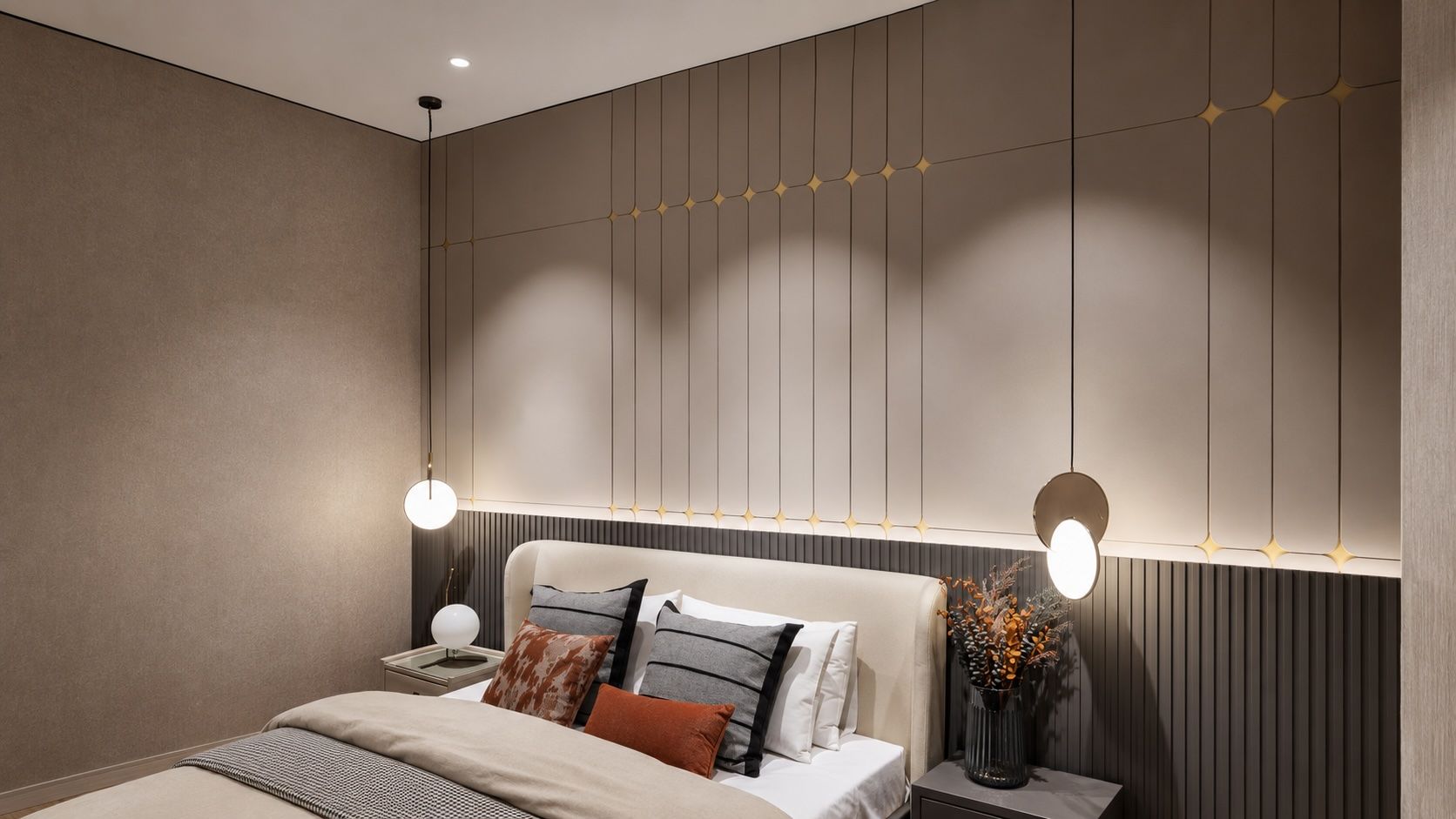
Premium Collection
Vegan Leather
High-Performance Alternatives
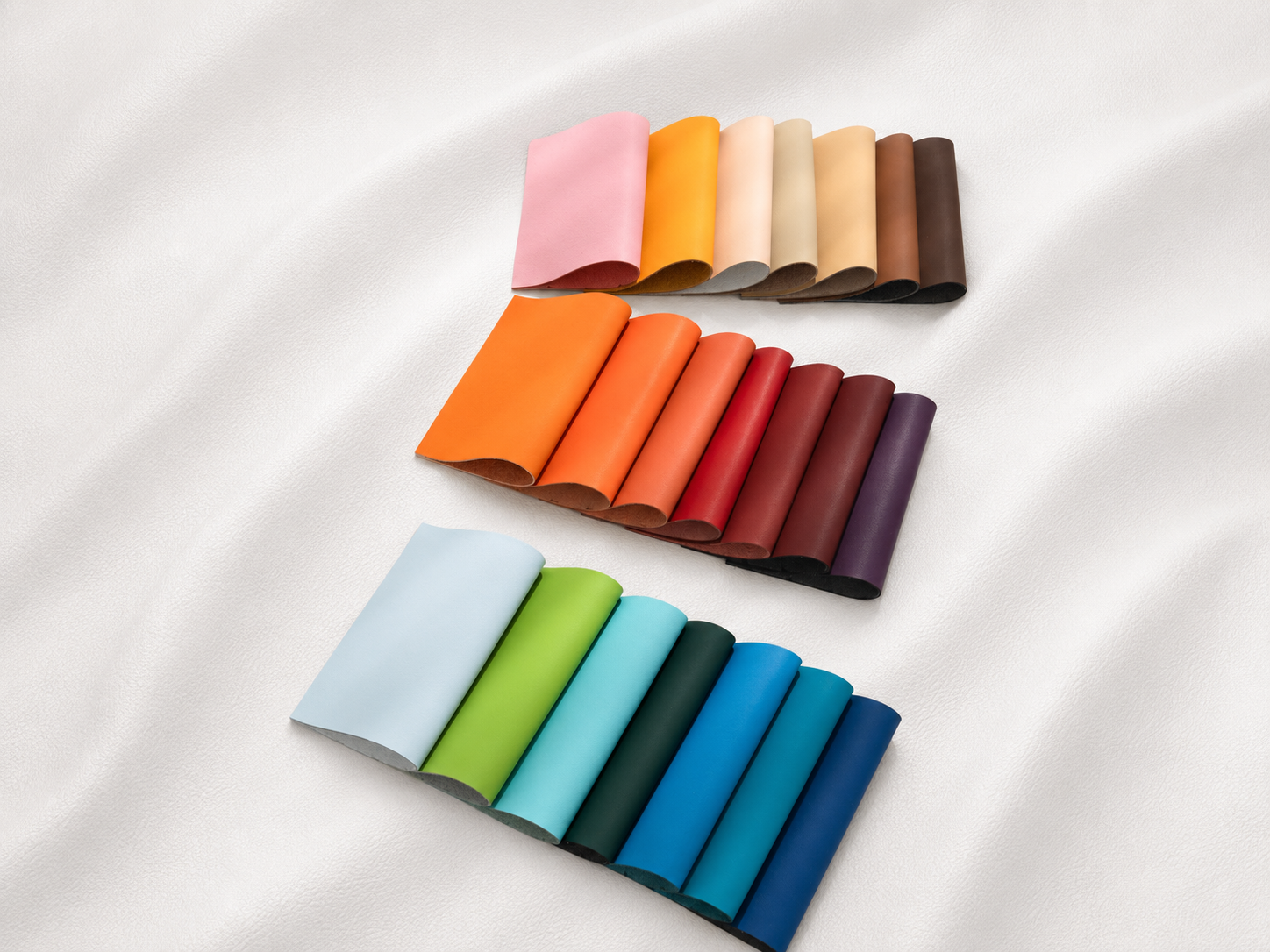
Engineered surface materials that match or exceed the tactile and durability standards of traditional leather, without animal content. Matte finishes, micro-textures, and colorfast pigments define a collection built for contemporary product and interior programs.
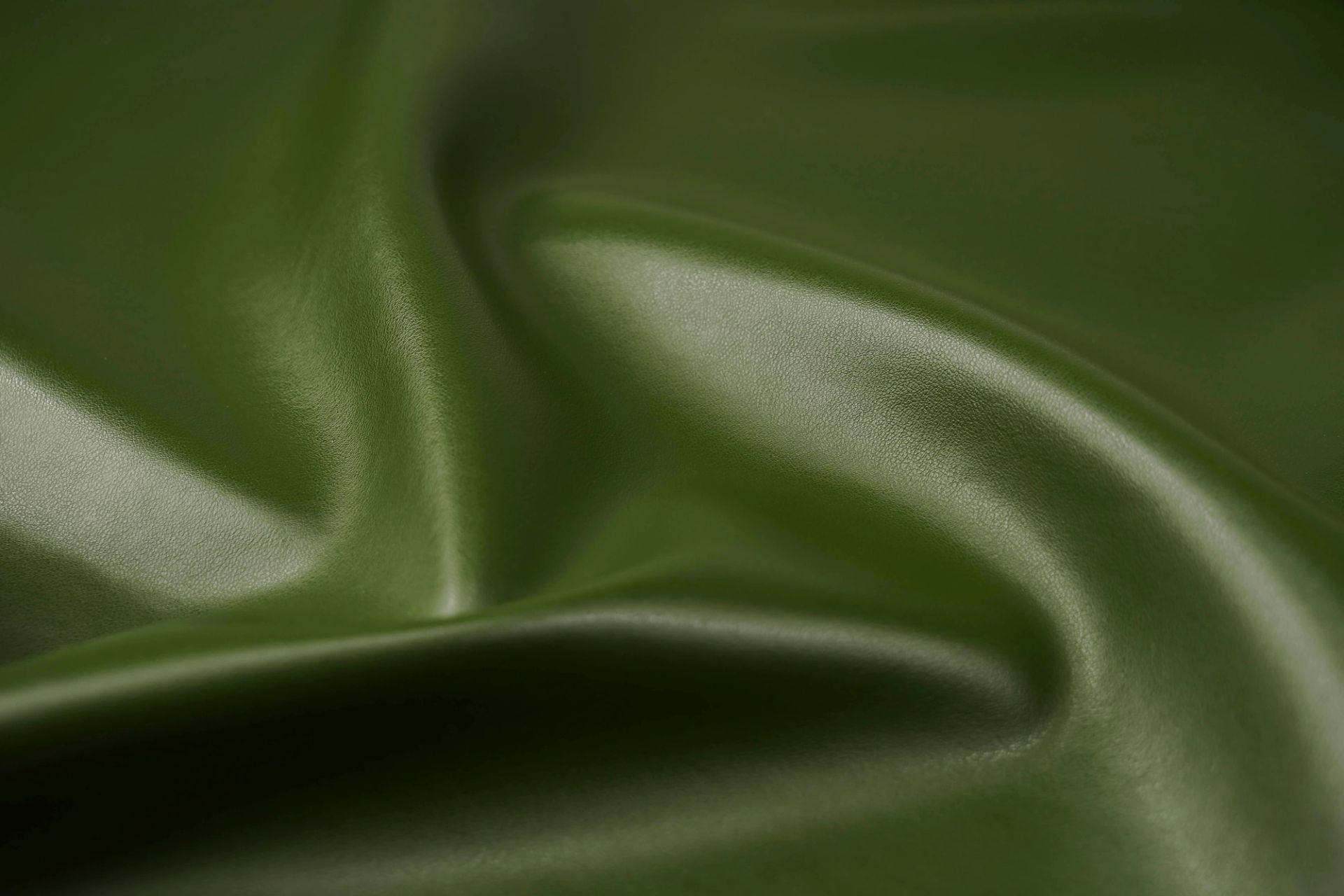
Aquapelle combines three-dimensional microfiber construction with waterborne and solvent-free PU technologies, delivering refined touch, durable performance, and consistent color, thickness, and batch quality.

FAQ
What is vegan leather?
Vegan leather is a material designed to mimic the look, feel, and functionality of traditional animal leather, but made entirely without animal products. Technically, vegan leather includes Vinyl, PU leather and microfiber leather.
What is the difference between vinyl (PVC), PU leather, and microfiber leather?
The main differences lie in their backing structure, durability, hand feel, breathability, and VOC profile:
Vinyl (PVC): A textile backing coated with polyvinyl chloride (PVC) mixed with plasticizers and pigments. It offers heavy-duty durability, waterproof performance, and a plasticky feel; it is less breathable and relatively higher in VOCs.
PU Leather: A textile backing, often knitted or woven polyester, covered with a layer of polyurethane. It is frequently produced as a multi-layer construction with a microporous or foam intermediate layer to mimic real leather's grain and breathability. It is softer, more flexible, and generally lower in VOCs.
Microfiber Leather: A premium material that replicates the exact 3D fiber network of real animal hide using microscopic synthetic fibers. It is exceptionally soft, highly breathable, and lower in VOCs. Our sustainable water-borne, solvent-free microfiber is crafted through the greenest engineering. The entire process is free of toluene, DMF, and sodium hydroxide, setting a new ecological benchmark by eliminating the chemical residues traditional methods cannot avoid.
See structural comparison of leather materialsWhat is Waterborne Microfiber?
Waterborne microfiber is defined by its fine fiber architecture and water-based production route. It uses water for fiber opening and PU impregnation, avoiding toluene, sodium hydroxide, and solvent-based PU while reducing manufacturing impact.
What's the advantage of Aquapelle?
Aquapelle offers a natural leather-like hand, strong mechanical performance, breathable comfort, consistent color, and stable quality. Its waterborne, solvent-free process is also DMF-free and VOC-free.